Marketing ain't that easy
🗓️ October 25th 2025 ⏱️ 6-minutes read
🗄️ Professional life
🏷️ Work, Tech, Digital Solutions, Marketing, Growing Business
Marketing looks easy from far away — like one of those jobs where you just click a few buttons, send a few emails, post a graphic on Instagram, and suddenly customers appear out of thin air like Pokémon in tall grass. But let me tell you… once you’re actually the one responsible for it, marketing ain’t that easy at all. In fact, it’s a whole different universe of pressure, expectations, and the constant fear that you might accidentally send an email to 8,000 people with a typo in the subject line.
Working at a health-tech e-learning platform, a huge chunk of my job revolves around driving sales by marketing the courses we offer. Sounds fancy, right? And in some ways, it genuinely is. But it also comes with this weird kind of intimidation — like suddenly you’re standing on a stage you never prepared for, selling something real to real people, and hoping with every fiber of your being that you don’t disappoint them.
The first thing I learned is that being a salesman, even indirectly, is not for the faint-hearted. When someone actually trusts you enough to buy a course based on your recommendations or campaigns, there’s this rush of “wow… they believed in me” mixed with “oh God please let the product be good enough.” Your arms don’t literally shake, but the emotional shaking? Oh it’s there. Quietly humming in the background.
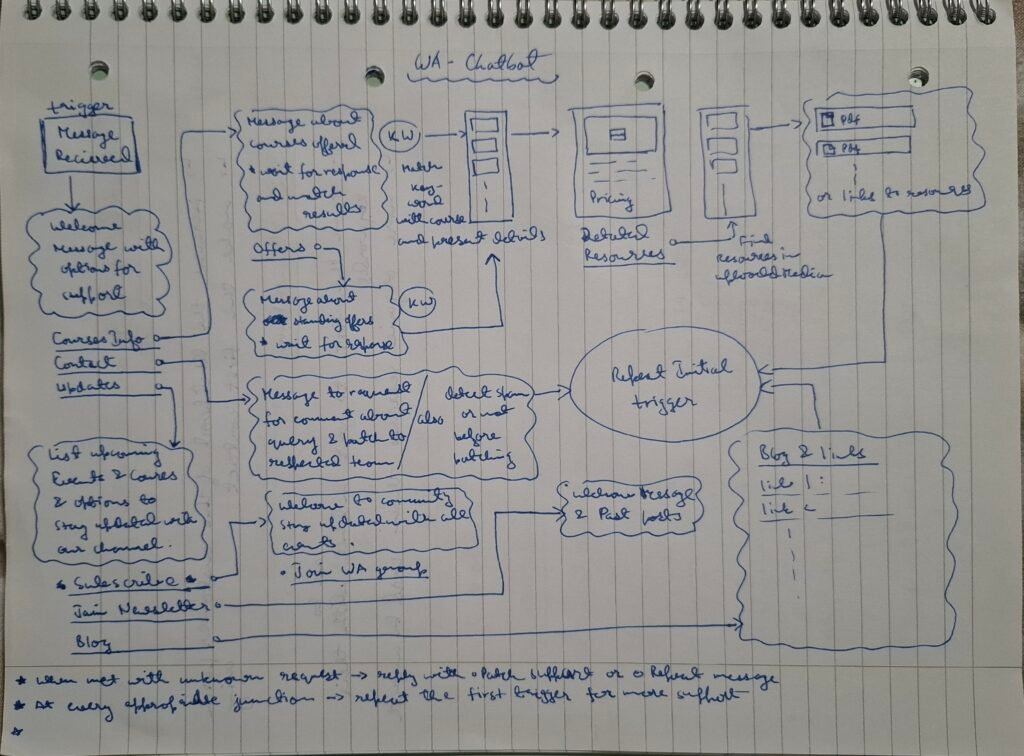
So, as part of my “let’s try something new” mindset, I decided to launch a marketing campaign for all our major courses. Not just random posts — I mean a full system where customers got updates, announcements, reminders, and support through the platforms they used the most: WhatsApp and email. The goal was simple — make communication smoother for customers, and at the same time bring the company’s teams together under one communication framework.
This meant connecting a WhatsApp API (which sounded easier than it was), integrating an email marketing automation platform, and then stitching everything together with workflows, triggers, templates, and automated messages. Basically, I tried turning our communication system from a cycle-rickshaw into a Tesla. The idea was beautiful. The execution… well… let’s just say it taught me things.
The funniest part is that I genuinely thought marketing was just:
“Throw money at ads and let magic happen.”
Yeah… no.
Turns out you actually have to build the magic manually, brick by brick.
WhatsApp was the real challenge. After setting up the API, I had to manage workflows, create automated responses, design templates for each of our courses, and even start building AI-powered and custom chatbots to automate the customer experience. Suddenly I was knee-deep in message flows, opt-ins, triggers, segmentation — it felt like doing brain surgery but with notifications.
Email marketing was *slightly* easier, but only because it didn’t fight back as aggressively. Integrating it with our website and learning management system took time, effort, and a lot of Googling. Once everything was connected, I set up mail triggers, workflows, community subscription systems, and regular announcements. And when I finally hit publish on the first campaign… phewwww. It looked smaller written in a paragraph, but trust me, it was much heavier in real life.
The Plot Twist: Did It Actually Help?
After all that — the integrations, the automations, the sleepless nights trying to fix one broken webhook — the real test was simply waiting. Waiting to see whether anyone found value in what I built. Waiting for customer responses. Waiting for the community to actually use what I spent weeks setting up.
And the results?
A nice little 60/40 split.
60% happy.
40%… not so much.
It wasn’t the dream scenario, but also not as depressing as it could’ve been. The happy ones genuinely appreciated the updates and found the new communication system useful. The unhappy ones? Well, some people just prefer things the old way, some didn’t like automated messages, and some didn’t want to subscribe in the first place. Fair enough.
But the truth is, I expected too much.
Way too much.
I thought it would become this smooth, magical communication pipeline instantly.
And maybe — just maybe — that’s how I comfort myself at night ;(
🌱 But Still… Progress Is Progress
Soon enough, people started using the services more regularly. The teams began relying on them. Communication actually became smoother. Customers reached out more easily. And slowly, the system I built started becoming a natural part of the company’s workflow.
It wasn’t perfect, but it was definitely a step forward — a move toward automation, better customer support, and a more professional foundation for our global community.
I’m still learning. Still figuring things out. Still experimenting.
But overall, the experience was worth every headache and every small win.
And if there’s one thing this journey taught me, it’s this:
Marketing is not easy.
Not even close.
But when it works — even a little — it feels pretty amazing.