
Impacts of IoT on Human-Machine Interaction: A focus on Privacy and Security (Literature Review)
My Role
~ Secretary
Contributed to organizing research inputs, refining solutions and recommendations, and supported the team in aligning our work into a coherent final report on IoT privacy and security. Coordinated meetings, maintained structured notes, and ensured smooth communication between team members.
Timeline
~ 3.5 Months
(September 2023 - December 2023)
Impact
The project deepened research into IoT privacy and security across healthcare, manufacturing, and infrastructure, highlighting vulnerabilities in systems like digital twins and SCADA. It provided recommendations on safeguarding sensitive data and emphasized the need for secure, ethical IoT-driven human–machine interaction.
About this Project
As part of a group research project, we investigated the impacts of IoT on human–machine interaction, with a focus on privacy and security. The study reviewed existing literature and case studies across healthcare, manufacturing, and infrastructure, analyzing how IoT adoption introduces opportunities as well as significant vulnerabilities. We explored frameworks such as digital twins, SCADA systems, and blockchain-enabled models to evaluate risks, propose alternative solutions, and highlight the importance of data protection, ethical practices, and secure infrastructures in IoT-driven environments.
Objective
The objective of this project was to examine how the adoption of the Internet of Things (IoT) impacts human–machine interaction, with a particular focus on privacy and security. Through literature review and case studies in healthcare, manufacturing, and infrastructure, the aim was to identify key vulnerabilities, evaluate security models such as digital twins and blockchain-based frameworks, and propose recommendations for building safer and more ethical IoT systems.
Timeline of the project
-
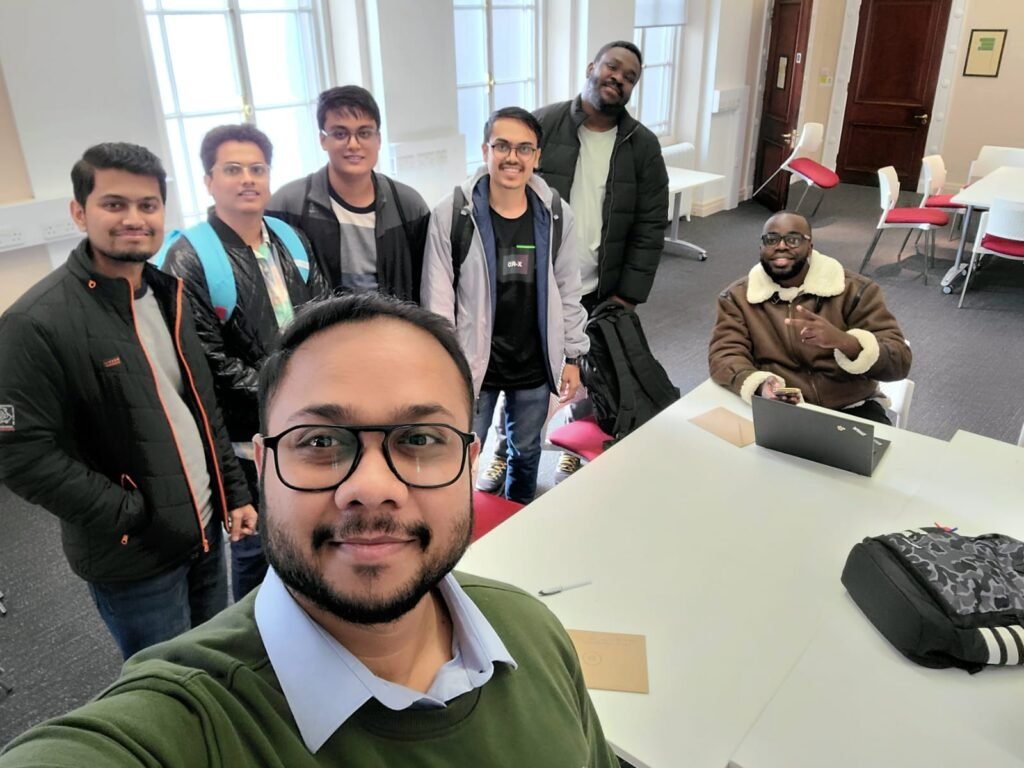
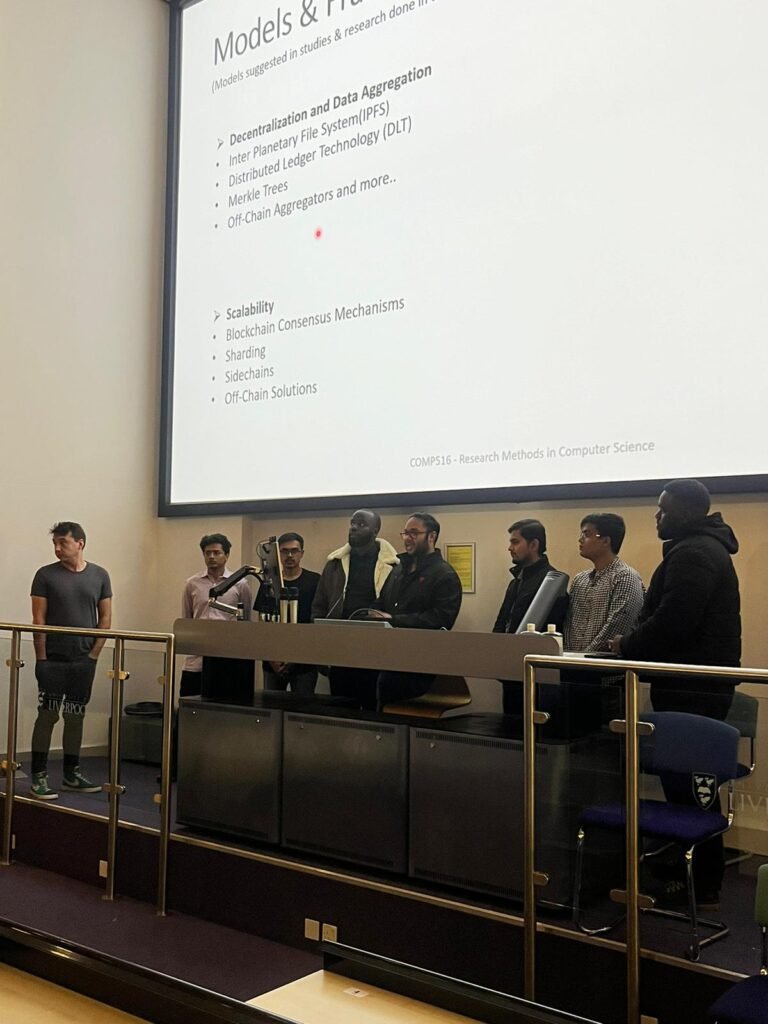
This literature review was a result of the work done by 7 most amazing individuals that I've had the chance to work with, who now also happen to be my good friends and were initially brought together through this very project. The completion of this literature review took place in three steps and a total of three and a half month which included the initiation week where all students in the same course had to decide there group mates, come up with a topic to be registered and provide a proposal. As we progressed in the 3rd and 4th week, our group participated in the presentation of the project which later received an overall recognition of being under the top five groups and project presented in under 20 groups that showcased there projects in front of the committee. Finally, all the research was combined and presented in the form of the literature review by the end of the 12th - 13th week.
Initiation week :
Presentation :
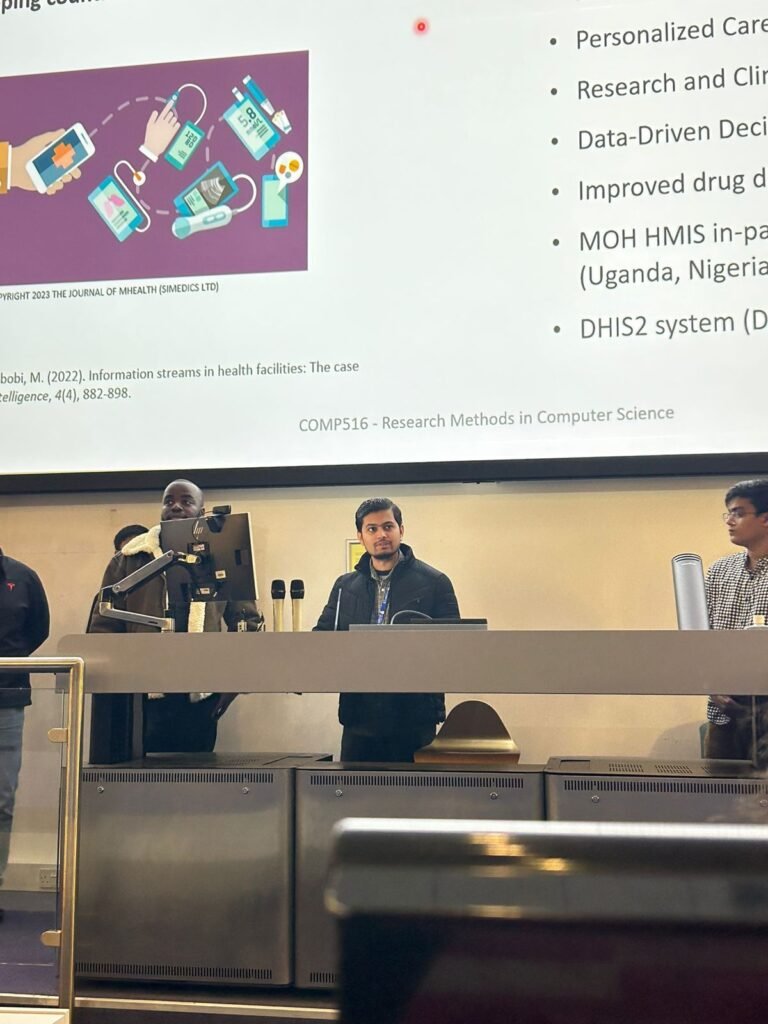
Tools Used :
Results Achieved
- Identified key privacy and security vulnerabilities in IoT adoption across healthcare, manufacturing, and infrastructure.
- Highlighted risks such as data breaches, mismanagement, and large-scale cyberattacks (e.g., NotPetya on Maersk).
- Recommended adoption of FAIR data principles to improve data handling and safeguard patient information in healthcare.
- Evaluated the potential of blockchain-based models and digital twin technologies to enhance IoT security.
- Emphasized the need for regulatory frameworks, ethical standards, and accountability in IoT-driven human–machine collaboration.
Summary
This project explored how IoT drives progress in industries like healthcare and manufacturing, improving efficiency and decision-making while also exposing critical privacy and security risks. Case studies highlighted challenges such as data breaches, ransomware attacks, and weak infrastructure safeguards. The research emphasized the importance of regulatory frameworks, FAIR principles, and blockchain-based solutions to protect sensitive data. Ultimately, it calls for a holistic approach that balances innovation with ethics, transparency, and accountability in IoT adoption.